Industrial Brand Libraries: Building a Long-Term Visual Asset Program


The industrial companies with the strongest visual identities are not the ones that book a photographer once and call it done. They treat industrial brand photography as an ongoing investment, building a library over time that covers every part of their operation. Facilities, processes, equipment, people, culture. When that library is built well and kept current, your marketing team always has what they need. No last-minute scrambles before a trade show. No stock photography standing in for something real. Michael LoBiondo Photography has built brand libraries for industrial companies ranging from regional manufacturers to Fortune 500 operations with facilities across the country, and we have been doing it long enough to know what works.


What Goes Into an Industrial Brand Library
A brand library is not a random collection of good-looking images. It is a systematic set of photography tied directly to how your marketing team actually uses images. Before we shoot anything, we look at what you have, what you are missing, and what your marketing calendar demands. That becomes the shot list.
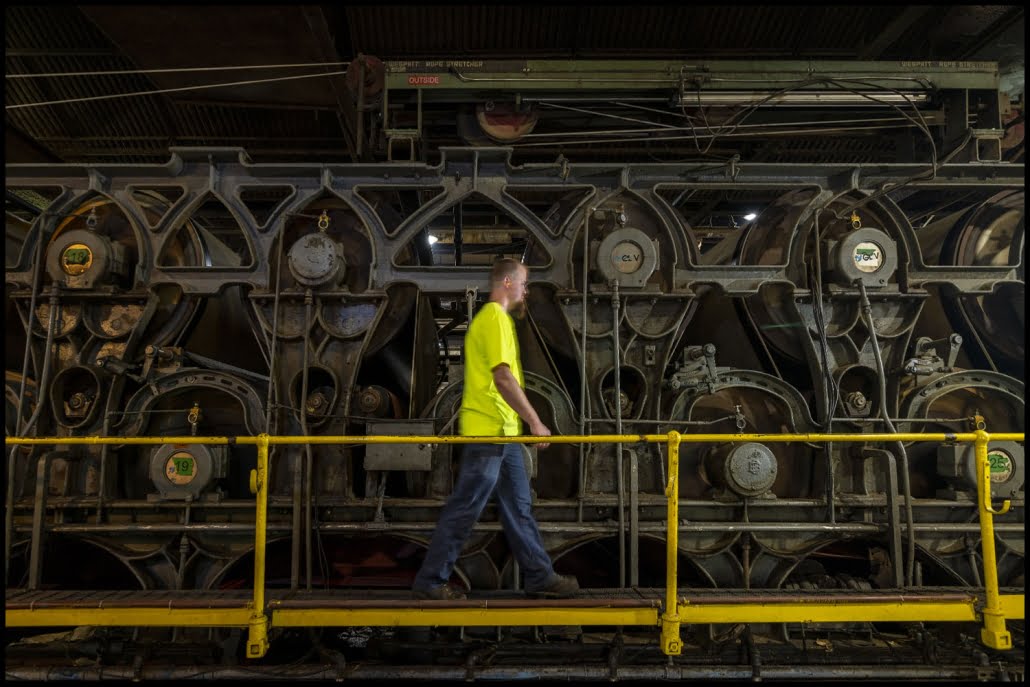
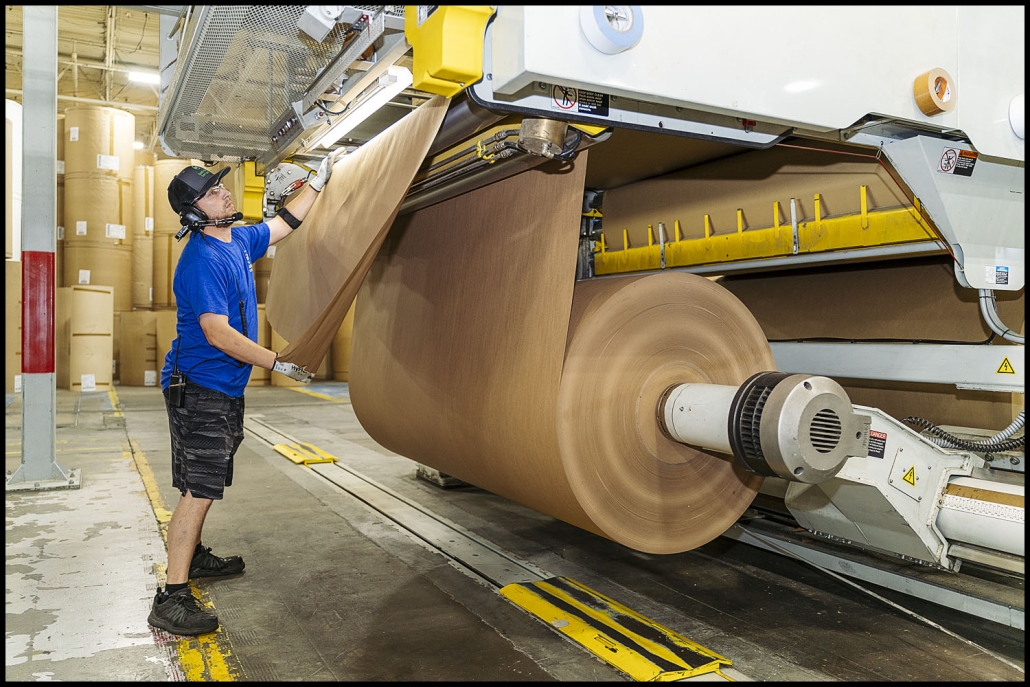
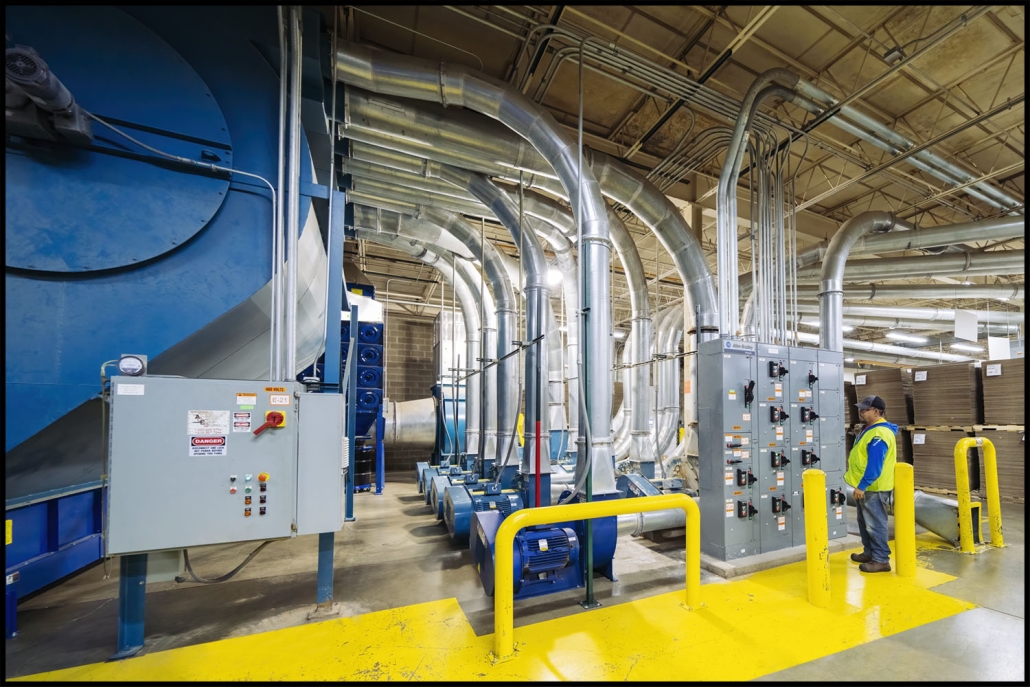
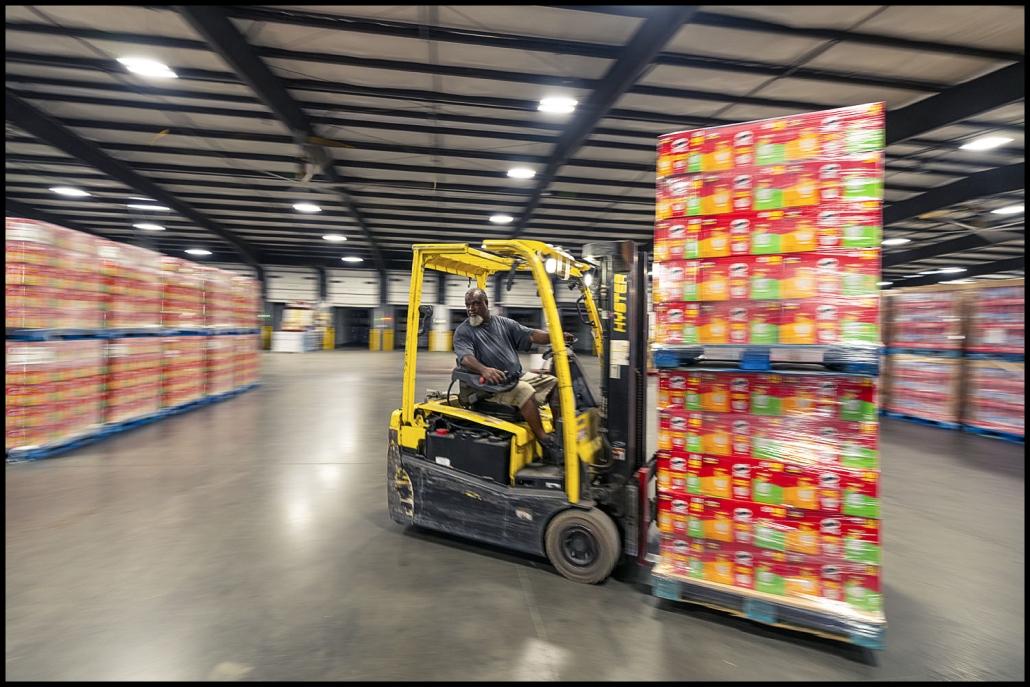
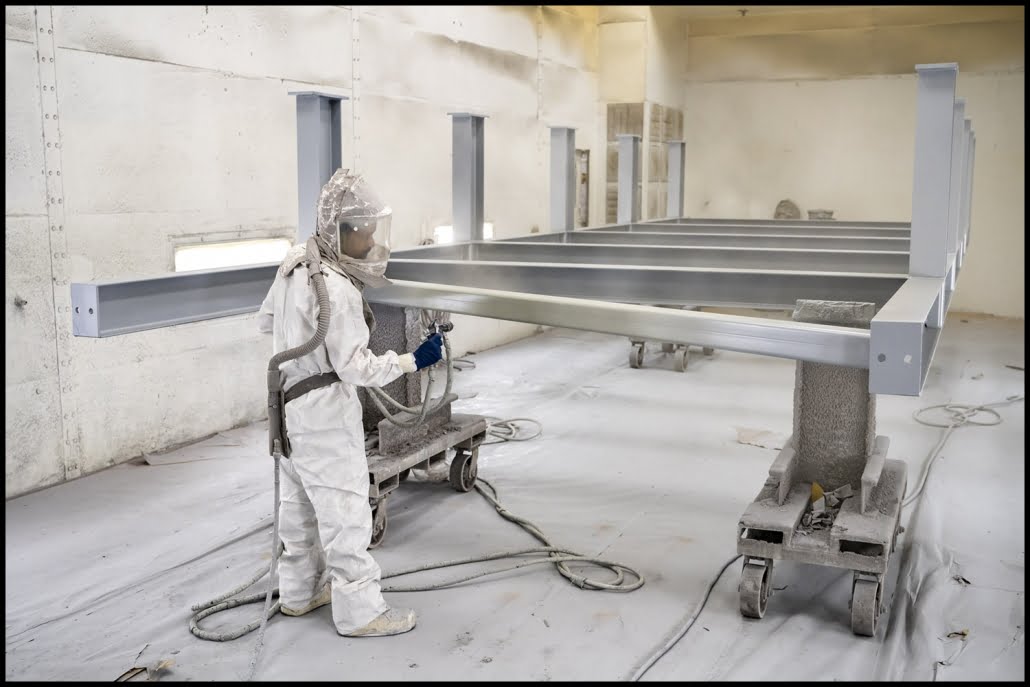
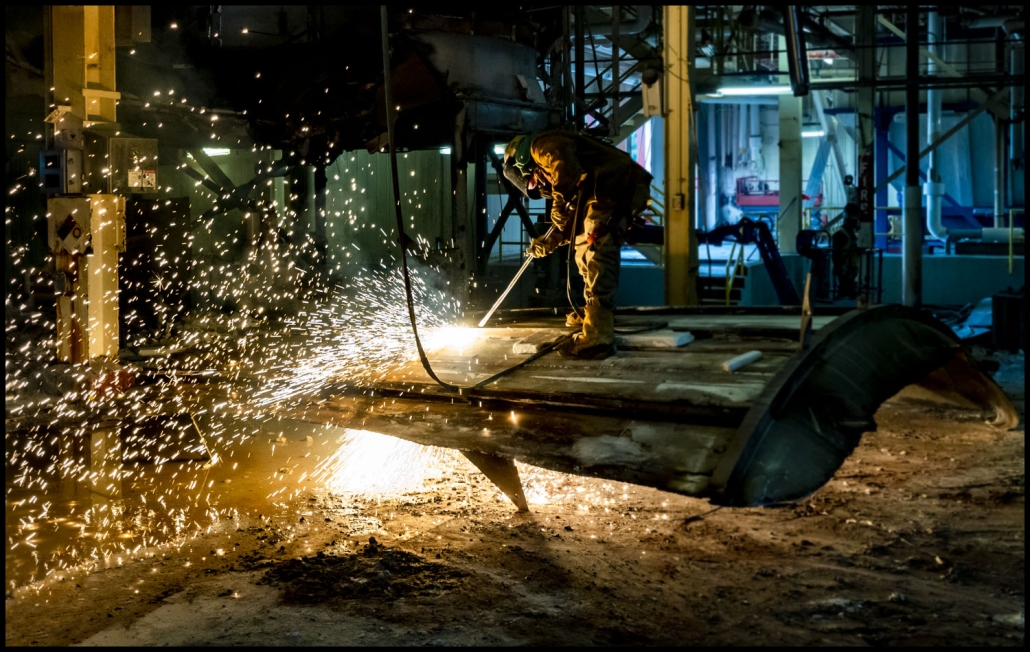
Most industrial brand libraries cover several categories of imagery. Facility and environment photography gives you the wide shots of your operation that work for websites, trade show backdrops, and capabilities presentations. Process documentation shows what your company actually makes and how, in a way that customers and prospects can follow. Equipment and product photography isolates the things you build or use in ways that work for catalogs, spec sheets, and sales tools. Worker and team portraits show the people behind the operation, which matters more for recruitment and culture than most companies realize until they need it. Leadership and management portraits round out the library for annual reports, press releases, and executive communications. And safety culture photography, often overlooked, tells a story about how your company operates that resonates with both customers and employees.
How the Brand Library Program Works
We run brand library engagements in four phases, and most of our long-term clients have been through this cycle more than once.
The first phase is the brand audit and shot list. We review your existing photography, identify the gaps, and build a prioritized list tied to your actual marketing needs and calendar. If a trade show is three months away, those images come first. If you are launching a new product line, that goes near the top. The shot list is built around your business, not around what makes for interesting photography.
The initial shoot covers as much of the priority list as possible. Facility, process, people, equipment. We work efficiently on site and deliver a selects gallery for review before final retouching and delivery. Assets are organized by category and labeled for easy use by your team.
From there, most clients schedule annual or semi-annual updates. New hires, new equipment, facility expansions, new product lines. The library grows with the company rather than sitting still and getting stale. Many of our manufacturing clients have maintained this kind of relationship with us for ten years or more, and the depth of the libraries we have built together is something a one-time shoot could never produce.

Why Industrial Companies Invest in Brand Libraries
The practical argument for a brand library is simple. Your marketing team needs images constantly, and getting them on short notice from a new photographer every time is expensive, inconsistent, and stressful. A library solves that. When the trade show opportunity comes up on three weeks notice, the images are already there. When the new sales director wants to refresh the capabilities deck, the images are already there. When HR wants to update the careers page, the images are already there.
The less obvious argument is about consistency. Industrial companies that pull photography from multiple shoots over multiple years with multiple photographers end up with a visual identity that looks like it was assembled by accident. Color treatments, lighting styles, and image quality vary enough that the brand feels fragmented across channels. A library built with one consistent approach solves that problem permanently.
There is also the stock photography problem. Stock images of manufacturing operations are generic by definition. They do not show your facility, your people, your equipment, or your process. Sophisticated buyers notice. Authentic images of your actual operation build credibility that stock photography simply cannot.



Start Building Your Industrial Brand Library
If you have been thinking about getting your photography organized into something systematic, this is a good place to start that conversation. We work with companies at every stage, from a first-ever professional shoot to a refresh of a library that has not been updated in years.