Industrial Photography That Captures Scale, Precision, and Real Work


Industrial Photography Services Built for Manufacturing & Heavy Industry
Industrial photography isn’t about aesthetics alone — it’s about clarity, credibility, and control. Our services are designed for organizations that need images reflecting real processes, real people, and real scale while meeting safety, compliance, and operational demands.
Our team provides a wide range of industrial and manufacturing photography services to best fit your project:
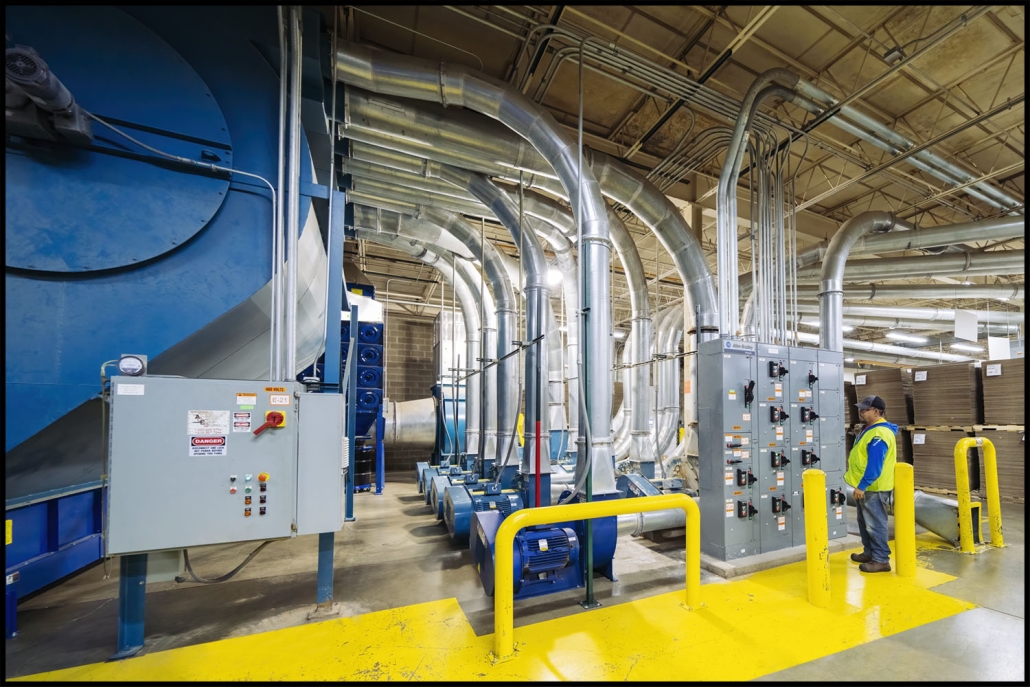
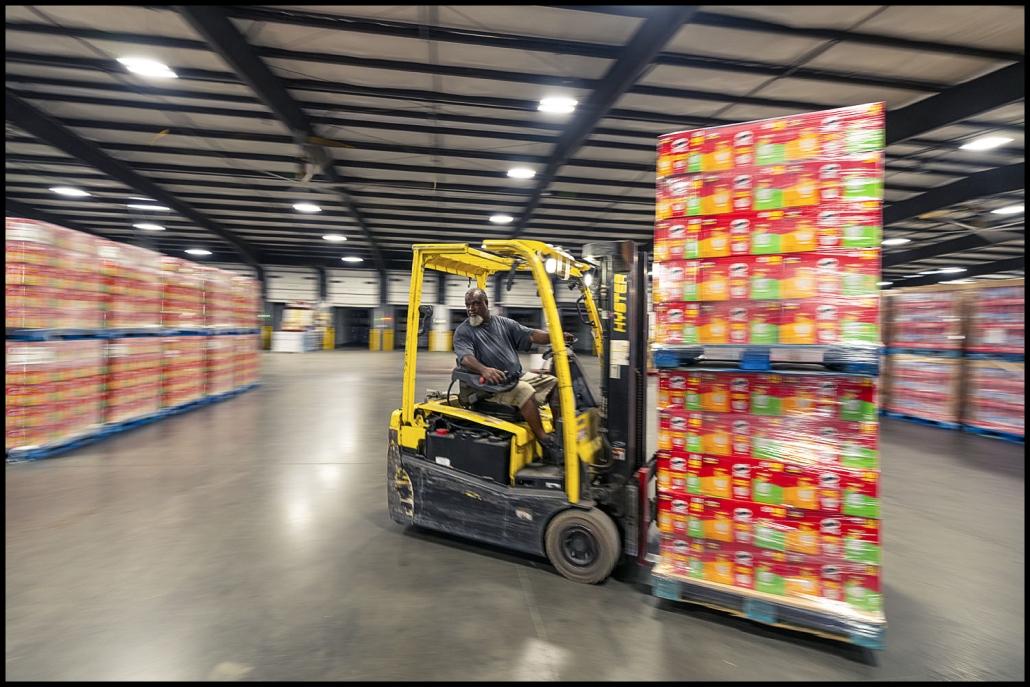
- Industrial Facility & Plant Photography
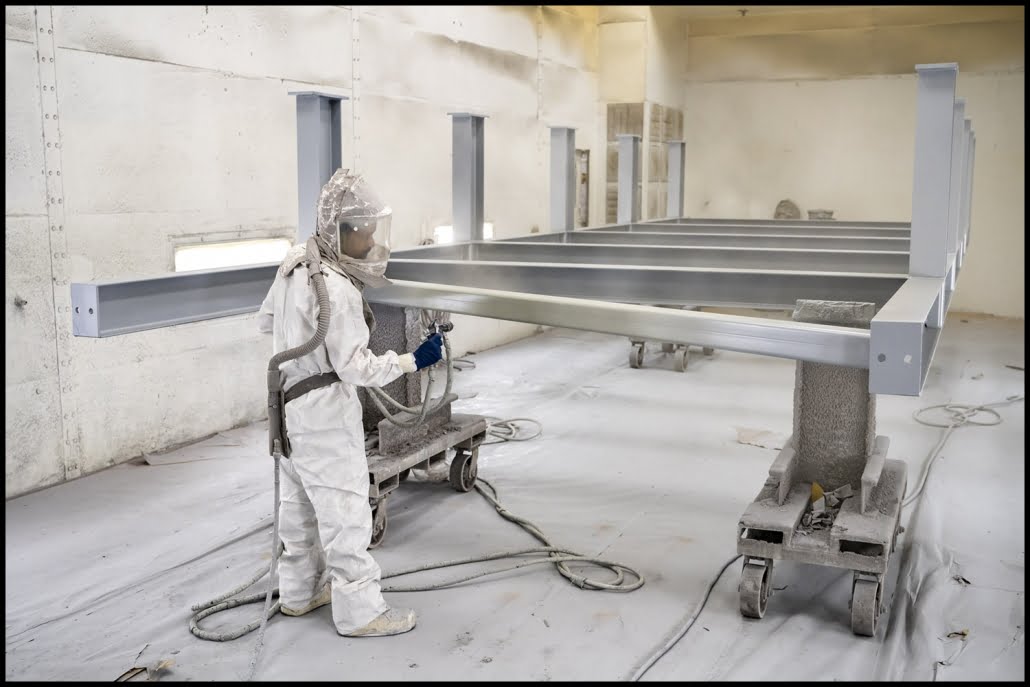
- Manufacturing Process & Equipment Photography
- Industrial Lifestyle & Workforce Photography
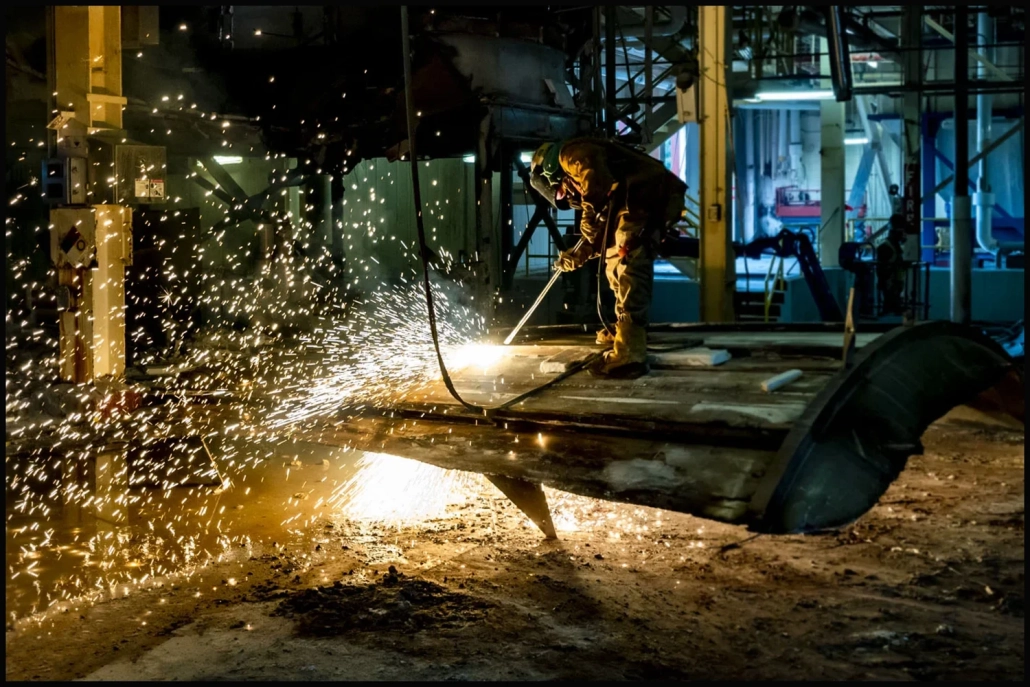
- On-Site, Active Environment Photography
- Industrial Brand & Marketing Photography

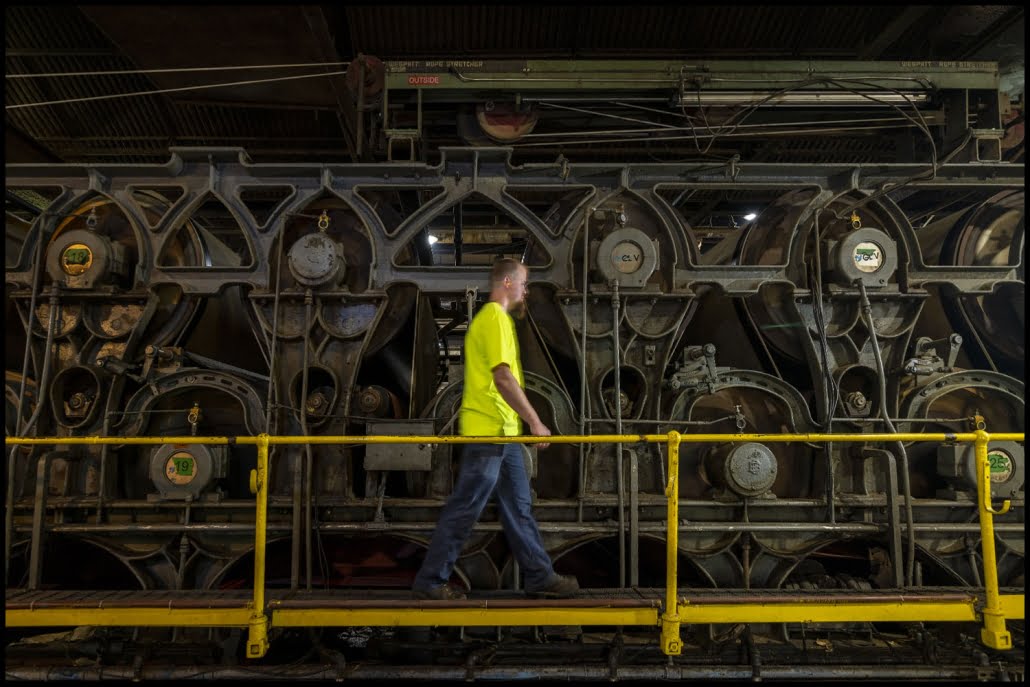
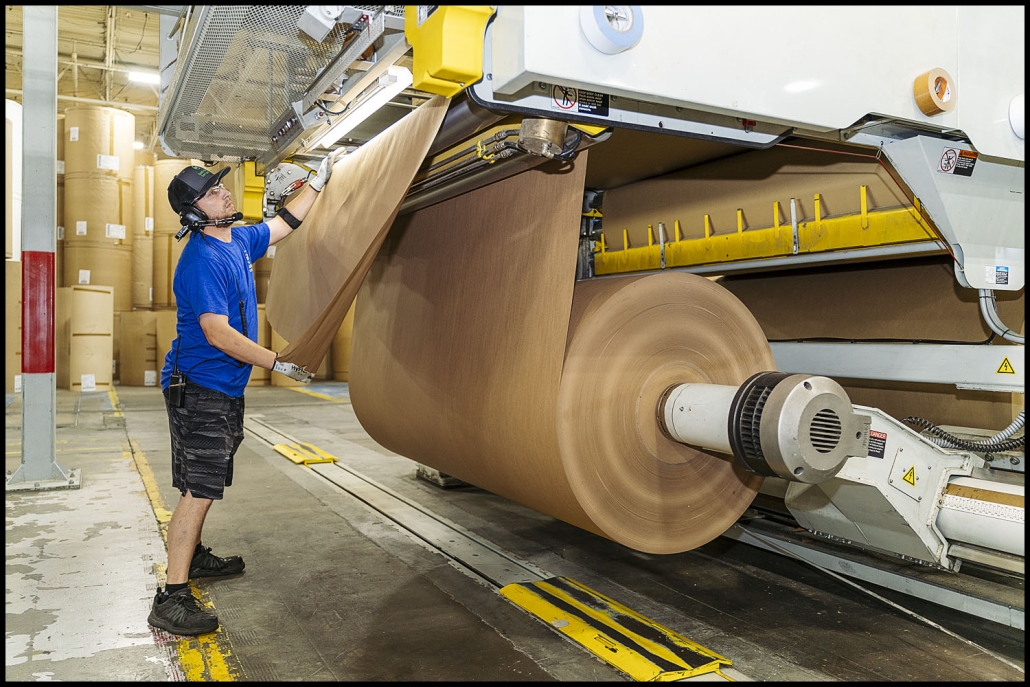
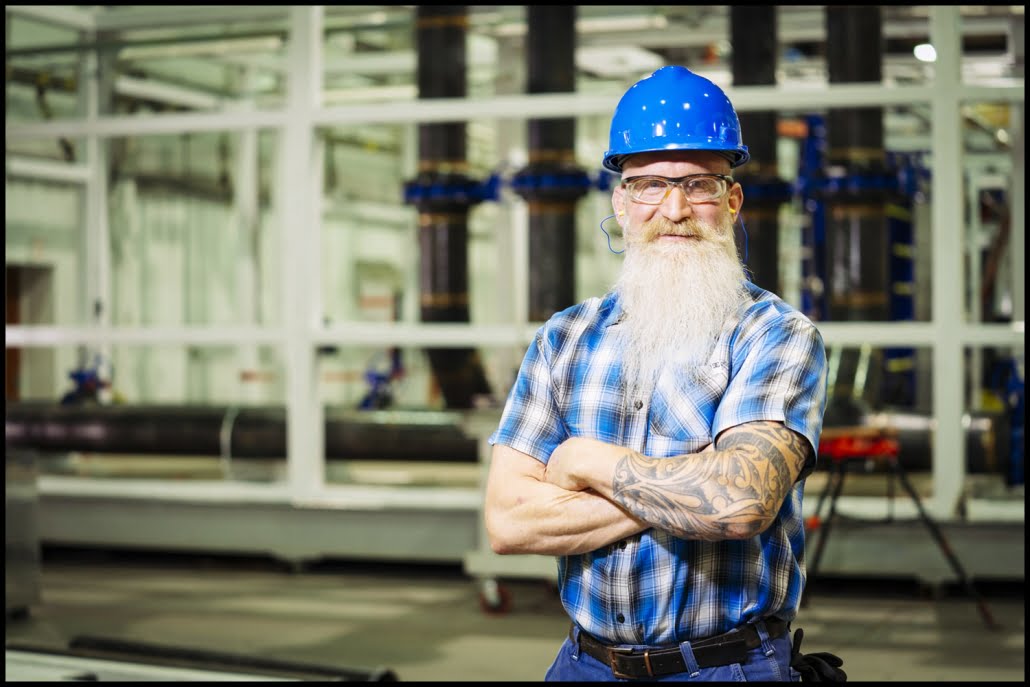
From Assembly Lines to Equipment Close-ups
Vibrant industrial photography requires thoughtful planning and a lot of experience. Showing all those reflective surfaces and moving parts well is key, not to mention the need to understand your process and protect your trade secrets.
Michael LoBiondo Photography brings more than thirty years of experience and know-how to every shoot, from the smallest robotic technology advancements to large-scale assembly lines.
We shoot on location in every imaginable setting and are as comfortable in the front office handling executive portraits as we are shooting on location at construction sites, factory floors, chemical plants, distribution warehouses, and more.
For Sustainability Reports, Advertising Campaigns, Websites, and More
Our national availability means we are able to work quickly around the country when you are ready to move on a project. You can depend on us for timely processing and digital delivery that meets even the most exacting client expectations.
Concerned about safety? We are well-versed in all current OSHA safety standards and guidelines. We go above and beyond while on-site, adapting to this ever-changing environment for equipment, process, and building photography.
We have photographed the American workforce under a variety of conditions for more than 30 years. We are confident we can communicate your brand in images and video as powerful as your business. That’s our passion.

Why Industrial Brands Choose Us
With decades of experience photographing industrial operations, we understand the environments, constraints, and expectations that come with manufacturing and heavy industry. Our process is structured, efficient, and built to deliver visuals that work as hard as your operation does.


The Process For Industrial Brand Photography
Industrial photography requires more than creative skill. It requires planning, coordination, and respect for active operational environments. Our process is built to ensure safety, efficiency, and results without disrupting production.
STEP 1: Pre-Production Planning & Site Review
Before arriving on-site, we align with your team to understand the facility, objectives, safety requirements, and operational constraints.
This includes:
- Project goals and usage planning
- Facility layout and access requirements
- PPE and safety compliance review
- Shot list development and approvals
STEP 2: On-Site Industrial Photography Execution
We work efficiently within active environments, coordinating with operations and safety teams to capture real work in progress.
What this looks like:
- Minimal disruption to workflow
- Compliance with all safety protocols
- Experienced direction in industrial settings
- Professional, controlled capture of complex processes
STEP 3: Post-Production & Image Optimization
Images are carefully reviewed, refined, and prepared for their intended use — from marketing and sales to internal and external communications.
Deliverables include:
- Color and exposure correction
- Brand-aligned image consistency
- Web, print, and presentation-ready formats
- Secure delivery and asset organization
STEP 4: Strategic Delivery & Ongoing Support
We don’t just deliver files — we ensure your images work across channels and campaigns.
Support may include:
- Image usage guidance
- Content alignment recommendations
- Ongoing documentation or update scheduling
- Long-term visual consistency planning