Lab Photography for Pharmaceutical and Life Sciences Companies


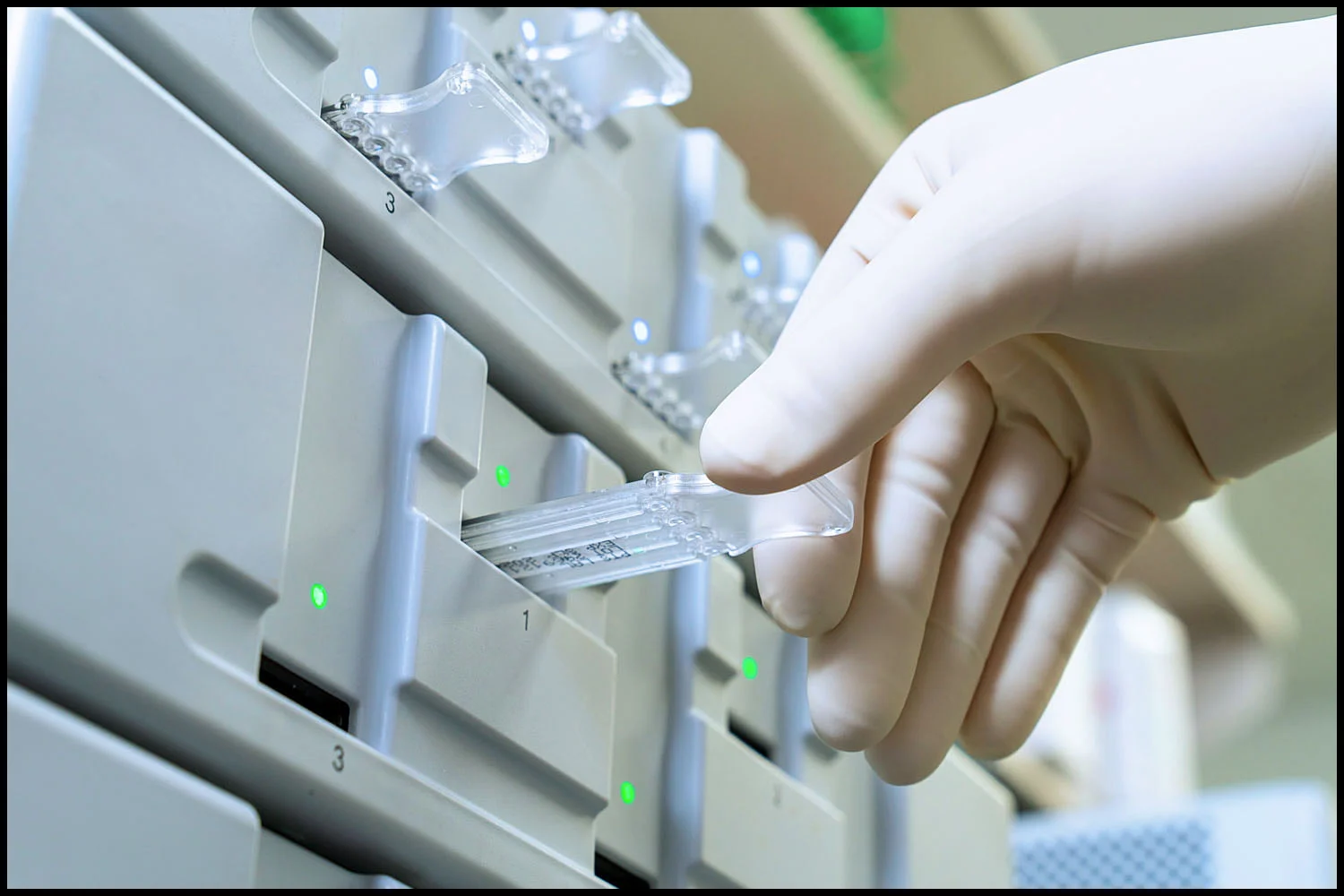
Laboratory environments are some of the most visually compelling settings in commercial photography, and also some of the most technically demanding to shoot well. The instrumentation, the controlled environments, the scientists focused on work that most people never get to see up close. There is a lot to capture and a lot that can go wrong if the photographer does not understand how a lab actually operates. Michael LoBiondo Photography has photographed pharmaceutical and research laboratories for clients across the industry, from CDMO facilities and quality control labs to R&D environments and analytical testing spaces. We work within laboratory protocols, respect cleanroom requirements, and stay out of the way of your team so the science keeps moving while we document it.
Lab Photography Services
We photograph laboratory environments and scientific operations for pharmaceutical, biotech, and life sciences companies.
- Research and development lab photography
- Quality control laboratory photography
- Analytical testing and instrumentation photography
- Cleanroom and controlled environment photography
- Scientist and research team portraits
- Process and workflow documentation
- Pharmaceutical laboratory interior photography
- Equipment and instrument close-up photography


Lab Photography for Marketing and Investor Relations
Pharmaceutical and life sciences companies use lab photography for two somewhat different purposes, and the visual priorities for each are not identical.
Marketing photography, used on websites, in brochures, at trade shows, and in digital advertising, needs to communicate innovation, precision, and scientific credibility to customers and partners who may not have deep technical knowledge. The images need to be visually engaging and tell a clear story about the sophistication of the operation. A scientist working at an analytical instrument, a cleanroom production line in motion, a quality control technician reviewing results. Images that make a non-scientist feel confident in your company’s capabilities.
Investor relations photography has different priorities. Investors looking at a funding deck or an annual report want to see evidence of real infrastructure, real teams, and real operational scale. The photography needs to communicate that the science is happening in a credible facility with the right people and the right equipment behind it. Those images tend to be wider, more environmental, and focused on showing the depth and capability of the organization rather than a single compelling moment.
We plan lab shoots that serve both purposes so you come away with images that work across all of your communications rather than just one channel.
What Makes Lab Photography Technically Challenging
Most commercial environments have one dominant light source that a photographer can work with or around. Labs rarely do. You have overhead fluorescent lighting, instrument screens glowing at various color temperatures, natural light coming through windows at unpredictable angles, and sometimes UV or specialty lighting that is part of the scientific process itself. Getting a clean, consistent exposure across a frame with that many competing sources is not something you figure out on your first lab shoot.
The surfaces are another issue. Glass beakers, polished stainless steel equipment, transparent tubing, reflective instrument panels. All of them bounce light back at the camera in ways that can ruin an image if you are not anticipating them. We choose lenses and supplemental lighting specifically for the environment we are walking into, and we coordinate with the lab manager in advance to understand the layout and identify the shooting windows that will give us the best light without interfering with the work happening around us.
In cleanroom environments there are additional constraints. Gowning requirements limit what equipment can come in and how it needs to be handled. Camera bags, additional lenses, and lighting gear all have to be cleared and prepared before entering. We have been through this process enough times that it does not slow us down, but it does have to be planned for.


Ready to Document Your Laboratory?
If you have a website refresh, an investor deck, a trade show coming up, or a brand library you have been meaning to build, lab photography is usually one of the first places to start. Get in touch and tell us about your facility and what you are trying to accomplish.
