Cleanroom Photography: Getting Hands-On in Pharma Cleanrooms

Ever notice how pharma manufacturing floors and labs hum with activity, but it’s hands that tell the story. Gloved, steady, doing the delicate dance of healthcare production. I like to frame around those hands—the techs are supporting players. Here’s how I used hands to be a focus point on a recent shoot.

Michael LoBiondo Photography - Pharma testing lab - shot by professional industrial photographer Michael LoBiondo

Kicks off with her hands prepping test materials, pipette poised mid-drop. Where’s the angle that will show the pipette, the bottle and the person? Pharm lab visuals need to show precision because drug development is exacting. I liked this low angle and lit it carefully so that the glass can be seen. Blurring the tech also helps to draw your eye to the hands.
Michael LoBiondo Photography - Pharma testing lab - shot by professional industrial photographer Michael LoBiondo

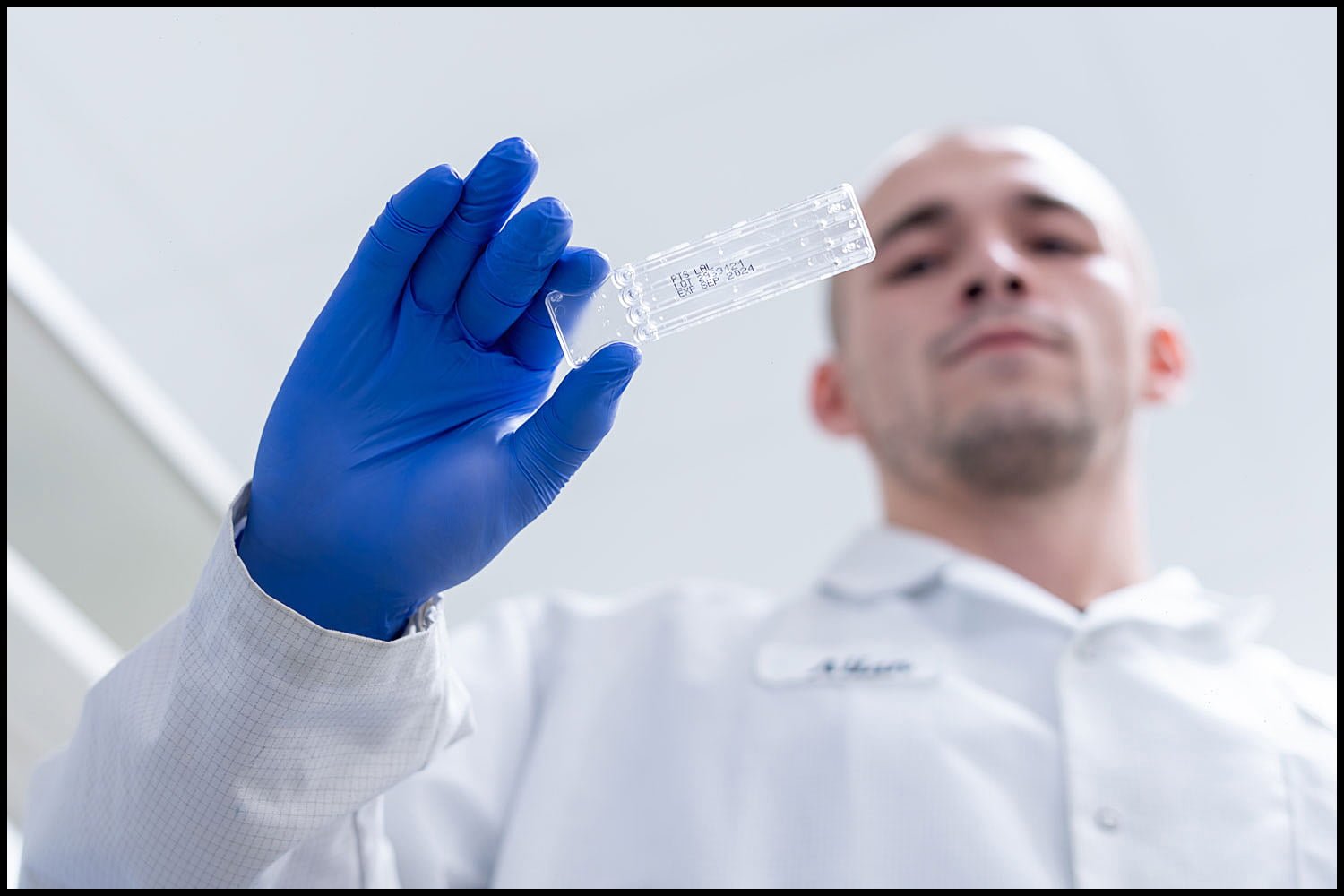
Blue gloves cradling the test strip like it’s delicate. In a testing healthcare cleanroom, space is limited to the lighting had to highlight again without blowing out the detail of the test strip. This is a medium low angle so I could use the tech’s eye to direct the point of interest.

Michael LoBiondo Photography - Pharma testing lab - shot by professional industrial photographer Michael LoBiondo

Floor action: hands inspecting that key piece, petri dish in hand. Went close on the grasp, using the colors in the lab and the soft focus to draw you to the hands. This upper angle helped to contrast the petri dish against the background. We wanted to capture the rhythm and precision for pharma manufacturing photography.


Hands transform sterile into human, and also get’s you right into the action without having to where the white coat!


Talk soon, ML


How to Plan Photography in a GMP Cleanroom

Cleanroom photography starts long before the camera comes out. Controlled environments have strict rules about who enters, what they wear, and what equipment can come inside, so planning with your quality and facilities teams is the most important part of the shoot.

  • Confirm gowning procedures for each area and allow time for the photographer to gown in and out.
  • Agree on equipment. Cameras, lenses, and lighting may need to be wiped down with approved cleaning agents, and some items may not be allowed in at all. A small, cleanable kit is easier to approve.
  • Schedule around production, such as between batches or during planned downtime, so photography never interrupts critical steps.
  • Assign an escort who knows the area and can answer questions on the spot.
  • Decide on approvals up front: who reviews images and what they will check for.

What to Keep Out of Frame

Pharmaceutical images often go through regulatory or legal review before they are published. Planning ahead keeps that review quick:

  • Batch records, labels, and lot numbers
  • Computer screens and control panels showing process data
  • Proprietary equipment or formulations
  • Faces, if your policies or employees prefer anonymity

Why Hands and Details Tell the Story

Focusing on gloved hands, instruments, and materials, as in the images above, does more than look good. It shows the precision that drug development demands, it keeps the attention on the work rather than on any one person, and it helps images pass internal review because fewer identifying details appear in the frame.

See more about our pharmaceutical manufacturing photography and lab photography, or contact us to plan photography in your cleanroom.

Cleanroom Photography Checklist

  • Shot list approved by marketing and quality
  • Gowning and entry procedures confirmed for each area
  • Equipment list reviewed and cleaning method agreed
  • Photography windows scheduled around production
  • Escort assigned for each controlled area
  • Confidential items identified and removed or covered
  • Review and approval process agreed before the shoot

With these steps settled in advance, the shoot day can focus on what matters most: capturing the careful, skilled work that happens inside your cleanroom every day.

If your team has never hosted a photographer in a controlled area before, a short planning call with quality, facilities, and marketing in the same room usually answers most questions in under an hour.

Why Companies Use Real Employees Instead of Models in Corporate Photography

Many companies hire us to photograph their real teams at work.

Why do they do that instead of hiring models? Why do they do that instead of using stock?

Because people want to see who they’re actually doing business with.

In B2B marketing, authenticity matters. Buyers, recruits, and investors all want a clearer sense of the people behind a company.

Stock photos can fill space on a website. But they rarely show how a business actually works. (Does this person actually work here?)

Corporate employees collaborating in modern office meeting environment showing real workplace culture.
Authentic workplace moments help companies show their real culture.

Real People Build Trust

When companies show their own employees, the images feel more believable, more real.

Customers see the people behind the product.

Candidates see the kind of team they may join.

Leadership shows the culture that drives the organization.

Those signals matter.

Many companies invest in custom corporate photography so their marketing reflects the real people behind the business.

Business professionals discussing project strategy in modern office workspace.
Real employees collaborating during a corporate team meeting.

Showing Culture Instead of Talking About It

Most companies talk about collaboration, teamwork, and leadership.

Photography lets you show it.

When viewers see real employees working together, they understand the environment and energy of the workplace much faster than reading about it.

Marketing teams use these images across websites, recruiting materials, presentations, and social media.

This same approach is often used in industrial and manufacturing photography, where companies want to show the real people behind the work.

Corporate professionals working together in collaborative office environment for B2B marketing imagery.
Showing real teams at work builds credibility in B2B marketing.

Your People Become the Face of the Brand

When companies invest in photography of their real teams, those images become long-term brand assets.

They appear in many places:

  • websites
  • recruiting campaigns
  • presentations
  • investor communications
  • social media

Instead of generic imagery, the brand is represented by the people who actually do the work.


The Goal

Our goal when photographing companies on location is simple.

Show real people doing real work in a way that reflects the professionalism of the organization.

Good direction and thoughtful lighting help employees look natural and confident while keeping the moment authentic.

When it works well, the images feel both real and polished.

And that’s exactly what good B2B marketing needs.


When Models or Stock Still Make Sense

Real employees are the right choice most of the time, but not always. Models or stock can be a better fit when an image needs to show a patient or customer whose privacy must be protected, when a concept is abstract rather than about your actual workplace, or when a team is too small or too busy to step away. Many companies use a mix: real employees for anything that represents the business, and carefully chosen talent for the rest.

How to Help Employees Feel Comfortable on Camera

  • Ask for volunteers. People who want to be photographed relax faster and look more natural.
  • Photograph real tasks. Doing their actual job gives people something to focus on besides the camera.
  • Keep sessions short. A few focused minutes per person respects their workload.
  • Share simple wardrobe guidance ahead of time, such as solid colors and company-branded apparel.
  • Direct, but lightly. Small adjustments to posture, light, and position help people look confident without feeling staged.

Practical Things to Plan For

  • Photo releases for everyone who appears in images used for marketing.
  • A realistic mix of people that reflects your actual workforce.
  • Turnover. Feature teams and moments, not just individuals, and plan periodic refreshes so departures do not leave gaps.
  • Both portraits and candid images, so marketing, HR, and leadership all get what they need from one shoot.

Real Employees vs. Models: The Bottom Line

When people can see who they will actually work with or buy from, trust comes faster. Photographing your own team takes a little more planning than licensing stock, but the result is imagery no competitor can copy and that stays true to who you are.

Learn more about our corporate photo production and executive portraits, or contact us to plan a shoot with your team.

More later: ML